The Role of Advanced Coating Technologies in Extending the Lifespan of Felt Surfaces on Poker and Roulette Tables
Vera Reed · Jun 4, 2026
The Role of Advanced Coating Technologies in Extending the Lifespan of Felt Surfaces on Poker and Roulette Tables
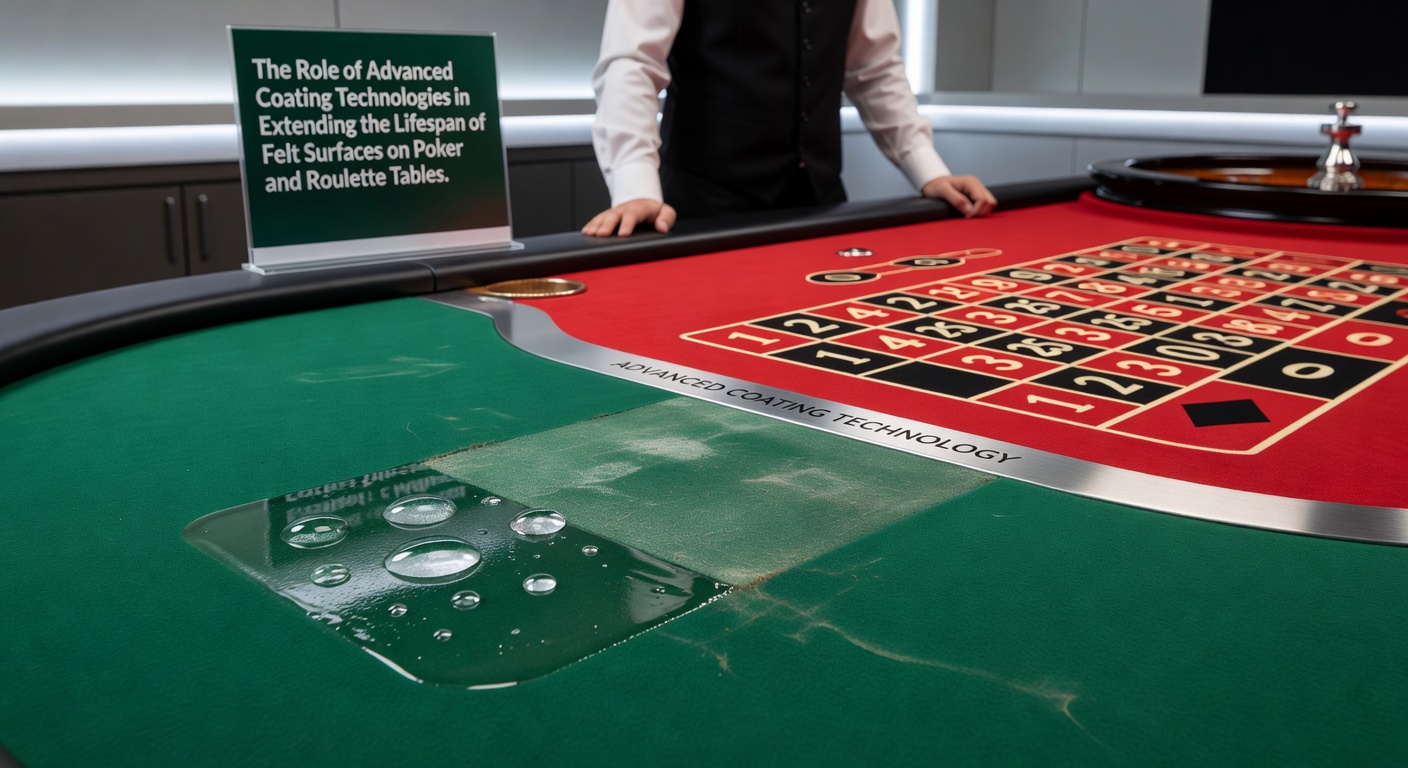
Poker and roulette tables rely on felt surfaces that endure constant contact from cards, chips, balls, and players yet traditional wool or synthetic felts degrade quickly under heavy use in commercial settings. Advanced coating technologies address this wear through specialized layers that bond to the fabric and create barriers against abrasion, moisture, and chemical damage while preserving the tactile qualities essential for gameplay.
Common Degradation Factors in Gaming Table Felts
Felt surfaces experience friction from repeated chip sliding and card dealing along with spills from beverages and exposure to skin oils that accelerate fiber breakdown over time. Research from materials testing labs shows untreated felts in high-traffic casinos often require replacement within 12 to 18 months whereas uncoated samples in controlled studies lose structural integrity after approximately 500,000 contact cycles. These patterns emerge consistently across venues where tables operate 20 hours daily and maintenance crews document visible pilling, color fading, and thinning in high-contact zones.
Types of Advanced Coatings Applied to Table Felts
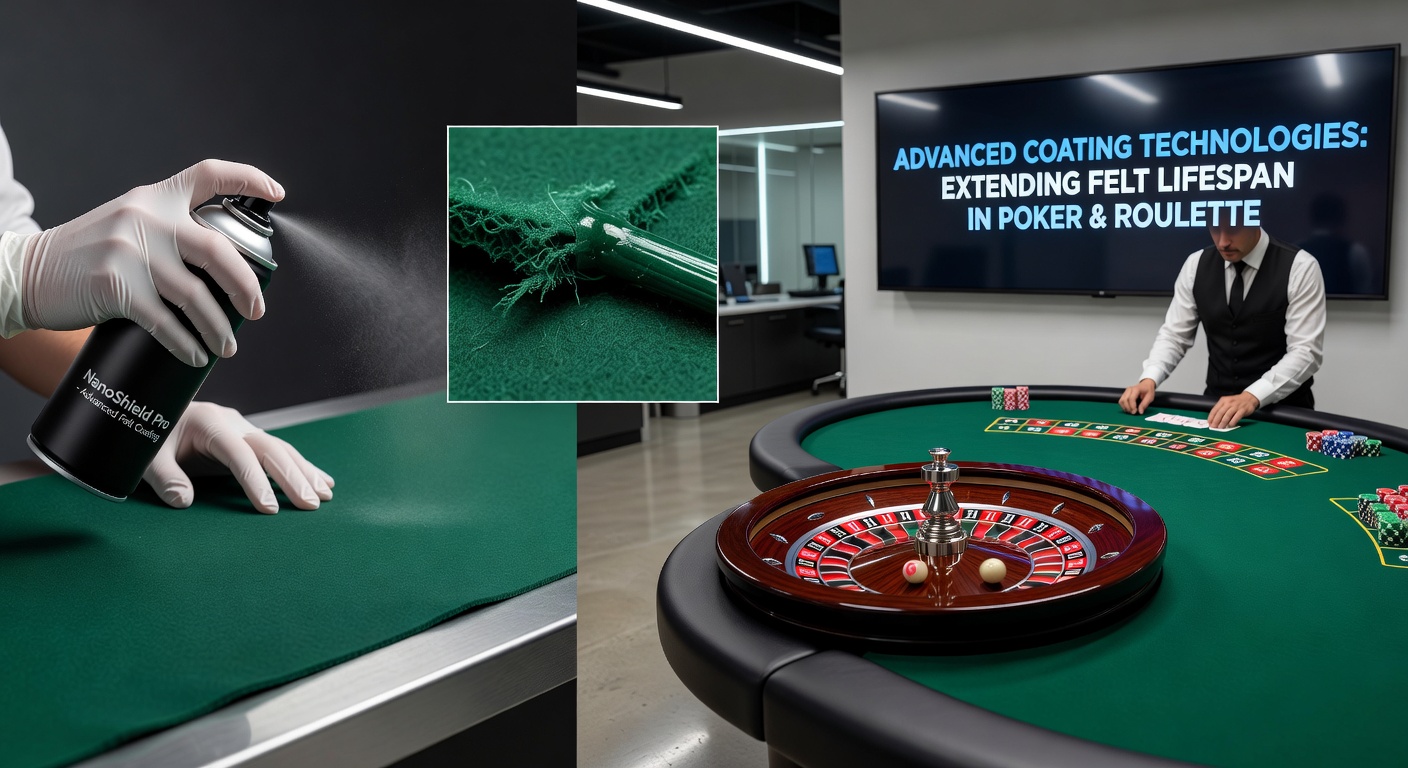
Manufacturers now apply nano-scale polymer coatings that penetrate fiber structures at the molecular level adn form flexible protective films without altering surface texture. Silicone-based treatments combined with fluoropolymer additives create hydrophobic properties that repel liquids and resist staining while ceramic-infused coatings add hardness against mechanical wear. Data collected by equipment suppliers indicates these multi-layer systems extend felt service life by factors of two to three times compared with standard treatments and maintain consistent ball roll speeds on roulette layouts throughout extended periods.
Application methods vary between spray-on processes that allow precise thickness control and dip-coating techniques that ensure uniform coverage across contoured table edges. Quality control protocols in production facilities measure coating adhesion through standardized peel tests and verify breathability to prevent moisture trapping beneath the surface layer.
Performance Data from Casino Implementations
Venues adopting coated felts report reduced replacement frequency and lower labor costs associated with table refurbishment. Figures from North American casino operators reveal average annual maintenance expenses for felt surfaces dropped 35 percent after switching to coated materials while downtime for surface changes decreased from quarterly intervals to once every 18 months. European facilities using similar technologies documented comparable outcomes with felt longevity reaching 36 months under continuous operation according to records maintained by gaming equipment associations.
Integration with Table Design and Regulatory Standards
Coating formulations must comply with fire safety requirements and chemical emission limits established by gaming regulatory bodies in multiple jurisdictions. Canadian provincial gaming authorities and Australian state regulators both specify testing procedures for surface treatments that include toxicity evaluations and durability assessments under simulated play conditions. These standards ensure coatings do not interfere with game fairness or introduce hazards during normal use.
Table manufacturers coordinate with coating specialists to match layer properties with specific felt compositions used in poker versus roulette applications. Poker tables often receive additional emphasis on stain resistance near chip rails while roulette surfaces incorporate coatings optimized for consistent ball friction across the wheel track area. Joint development projects between fabric producers and chemical companies have yielded hybrid coatings that address both requirements simultaneously.
Emerging Developments Scheduled for Industry Review
Materials researchers continue refining coating compositions to incorporate self-healing polymers that repair minor surface scratches through thermal activation. A comprehensive industry evaluation of these next-generation treatments is scheduled for presentation at the International Gaming Technology Summit in June 2026 where data from pilot installations will be reviewed by equipment standards committees. Preliminary laboratory results suggest these adaptive coatings could further extend felt lifespan by an additional 20 percent beyond current benchmarks.
Conclusion
Advanced coating technologies deliver measurable improvements in felt durability for poker and roulette tables through targeted protection against mechanical and environmental stresses. Performance records from operational venues combined with ongoing materials research demonstrate consistent extensions in service intervals and reductions in replacement costs across different regulatory environments. Continued refinement of these treatments supports sustained table quality while aligning with evolving manufacturing and safety requirements in the gaming equipment sector.