Randomness Assurance Protocols: Ensuring Fair Play in Electronic Gaming Devices
Sage Butler · Jul 13, 2026
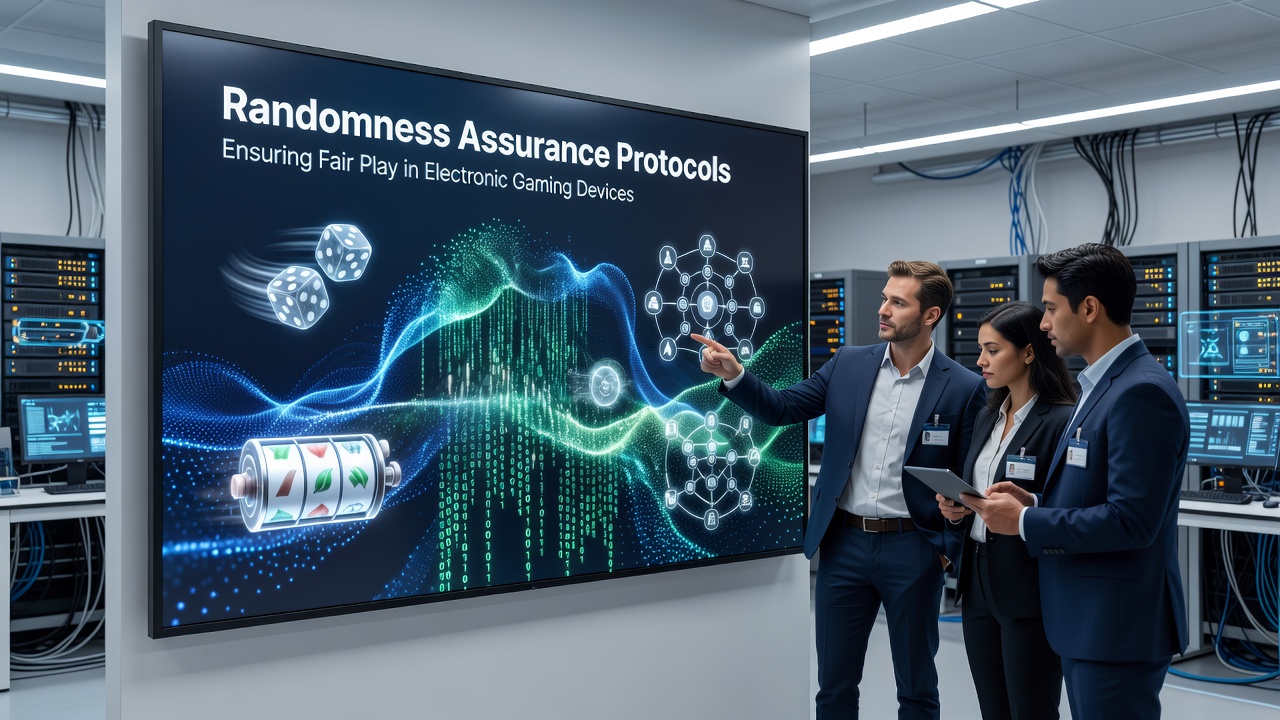
Randomness Assurance Protocols: Ensuring Fair Play in Electronic Gaming Devices
Electronic gaming devices rely on sophisticated randomness assurance protocols to maintain integrity across slot machines, video poker terminals, and digital table games, and these systems undergo rigorous evaluation before deployment in regulated markets. Manufacturers integrate hardware-based random number generators alongside software algorithms that undergo continuous monitoring, while certification laboratories apply statistical test suites to verify that outcomes remain unpredictable and unbiased over millions of simulated plays.
Core Components of Randomness Verification
Testing begins with entropy sources that capture physical phenomena such as thermal noise or quantum fluctuations, and these raw signals feed into deterministic algorithms that expand the entropy into long sequences suitable for game logic. Observers note that standards organizations require minimum entropy thresholds measured in bits per sample, and devices must demonstrate compliance through repeated battery tests including dieharder, NIST SP 800-22, and AIS 31 suites. Data from independent labs shows that failure rates on initial submissions often exceed 30 percent, prompting iterative redesigns before final approval.
Regulatory frameworks in multiple jurisdictions mandate that operators submit firmware updates for retesting whenever code changes occur, and this process prevents subtle biases from entering production environments. In July 2026 several North American gaming commissions synchronized their submission portals to accept digital audit logs directly from certified RNG modules, streamlining oversight without reducing verification depth.
Certification Pathways Across Regions
North American regulators coordinate with bodies such as the Nevada Gaming Control Board and the New Jersey Division of Gaming Enforcement to share test results, yet each jurisdiction retains authority to impose additional statistical thresholds based on local risk assessments. European authorities apply EN 13616 guidelines that emphasize both statistical randomness and resistance to side-channel attacks, whereas Australian state regulators require live field sampling after installation to confirm that theoretical models match real-world performance. Industry reports from the Gaming Standards Association indicate that cross-border reciprocity agreements have reduced average certification timelines by 18 percent since 2024.
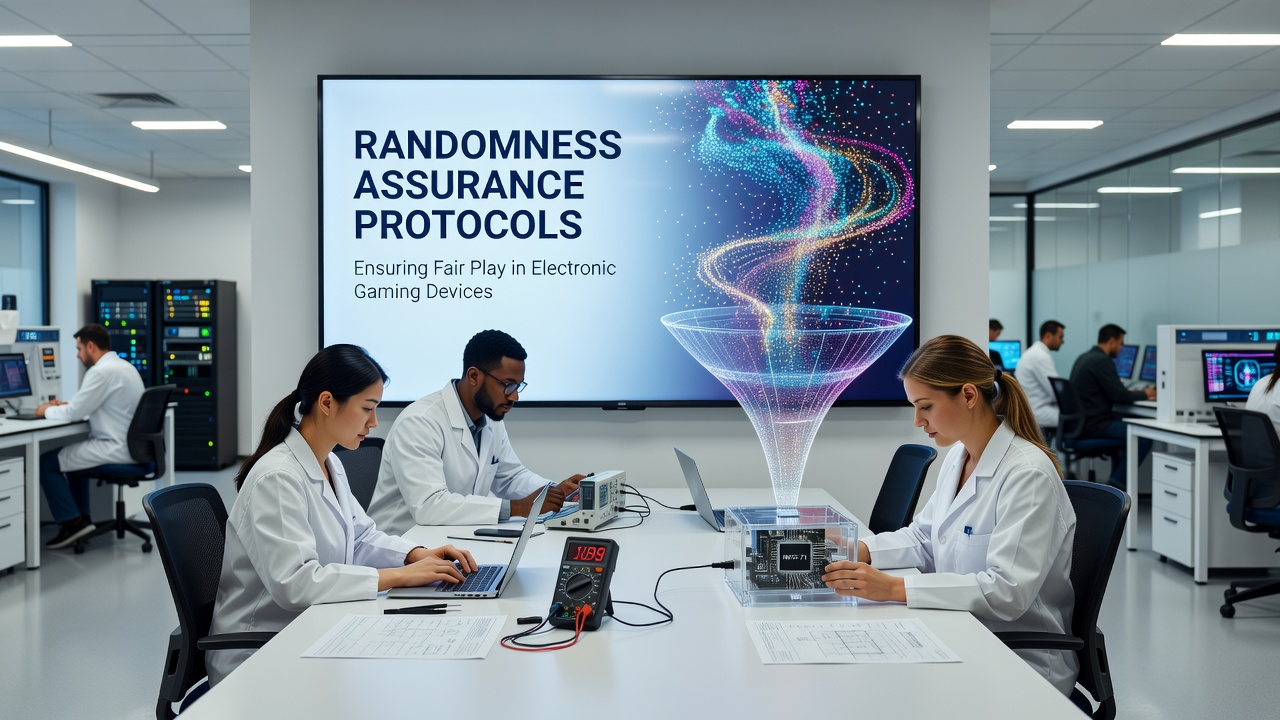
Academic researchers at institutions including the University of Nevada, Reno have published peer-reviewed studies examining long-term drift in hardware entropy sources, and their findings prompted several manufacturers to adopt hybrid designs combining multiple independent noise generators. Those studies also revealed that certain environmental factors such as temperature fluctuations can degrade entropy quality, leading to mandatory enclosure sensors that trigger automatic shutdowns when operating conditions fall outside validated ranges.
Ongoing Monitoring and Adaptive Controls
Once devices reach casino floors, remote monitoring platforms collect outcome data in real time and compare observed frequencies against expected distributions using chi-square and runs tests updated daily. When deviations exceed predefined confidence intervals, the system flags the terminal for immediate lockdown pending laboratory re-examination. Casino operators receive automated compliance dashboards that aggregate results across entire fleets, allowing rapid identification of any unit requiring service or replacement. Figures released by the Canadian Gaming Association show that proactive monitoring reduced regulatory interventions by 22 percent in the twelve months ending June 2026.
Third-party auditors conduct surprise inspections that include extraction of live RNG seeds and comparison against archived certification baselines, and any mismatch triggers full forensic analysis. Manufacturers maintain cryptographic signing chains that prove firmware integrity from the laboratory bench to the casino floor, and these digital signatures withstand tampering attempts even when physical access occurs.
Emerging Technologies and Future Standards
Quantum random number generators now appear in select high-stakes installations, delivering entropy rates measured in gigabits per second that exceed classical hardware capabilities. Integration with blockchain-based ledgers allows independent verification of game outcomes by external parties without exposing proprietary algorithms, and several pilot programs launched in Asia during early 2026 demonstrated public audit trails accessible through mobile applications. Research institutions continue to refine test methodologies to address potential vulnerabilities in post-quantum cryptographic environments, ensuring protocols remain robust against evolving computational threats.
Conclusion
Randomness assurance protocols form the foundation of trust in electronic gaming devices by combining rigorous pre-deployment certification, continuous statistical surveillance, and adaptive security measures that respond to new technological challenges. Regulatory coordination across continents, academic contributions, and industry adoption of advanced entropy sources together sustain the fairness standards expected by players and required by law. As hardware and software evolve, the same layered verification approach will continue to protect game integrity while accommodating innovation in regulated markets worldwide.