Precision Integration: How Electronics Come Together in Modern Slot Machine Assembly
Frankie Schmid · Aug 22, 2026
Precision Integration: How Electronics Come Together in Modern Slot Machine Assembly
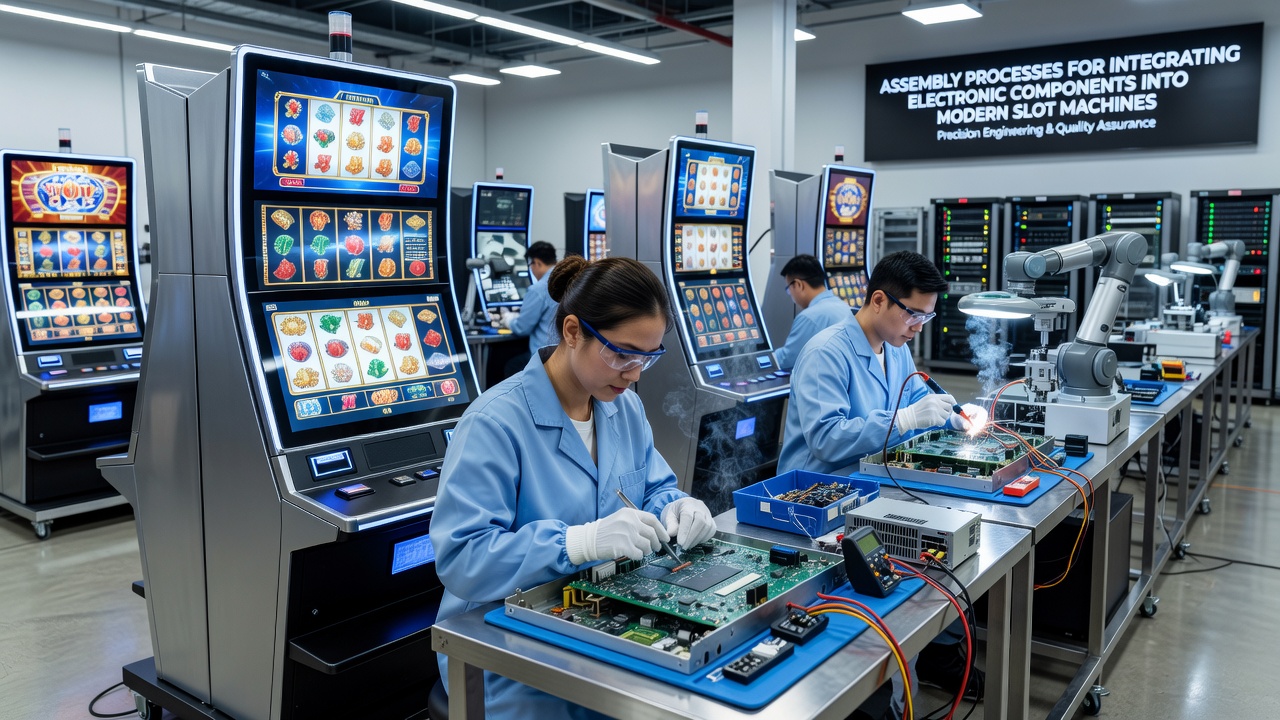
Assembly lines for modern slot machines combine mechanical frames with layers of electronic systems that handle everything from random number generation to player interface displays. Manufacturers begin by mounting main circuit boards into reinforced chassis, securing processors, memory modules, and power regulators with torque-controlled fasteners that prevent vibration damage during operation. Technicians then route wiring harnesses through designated channels, connecting power distribution units to LED lighting arrays, touch sensors, and bill validators while maintaining strict separation between high-voltage and signal lines.
Core Electronic Subsystems and Their Placement
Each slot machine relies on a central processing unit that runs certified game software, and this component sits at the heart of the assembly sequence. Workers install the CPU board first, followed by auxiliary cards for peripheral control, such as reel drivers or video output modules. Data shows that facilities in Nevada and Macau complete these steps on semi-automated lines where robotic arms place surface-mount devices onto printed circuit boards before human operators verify solder joints under magnification. The sequence continues with attachment of the power supply unit, which converts incoming AC to multiple DC voltages required by different subsystems, and installers test continuity at every junction before proceeding.
Display and Interface Integration
High-resolution monitors and button panels come next in the workflow. Engineers align LCD or OLED panels within the cabinet frame, securing them with vibration-dampening brackets, then connect video cables and touch overlay controllers. In August 2026 several production sites updated their calibration protocols to accommodate new 4K display standards, allowing smoother integration of progressive jackpot animations across networked machines. Button decks receive their own circuit boards that translate mechanical presses into digital signals, and workers perform functional checks using diagnostic software that simulates thousands of input cycles in minutes.
Sound systems follow a parallel path. Amplifiers and speaker arrays mount to side panels, linked to the main board through shielded audio cables that reduce electromagnetic interference. Manufacturers route these connections alongside cooling fans that maintain operating temperatures within tolerances specified by component suppliers.
Testing and Quality Verification Stages
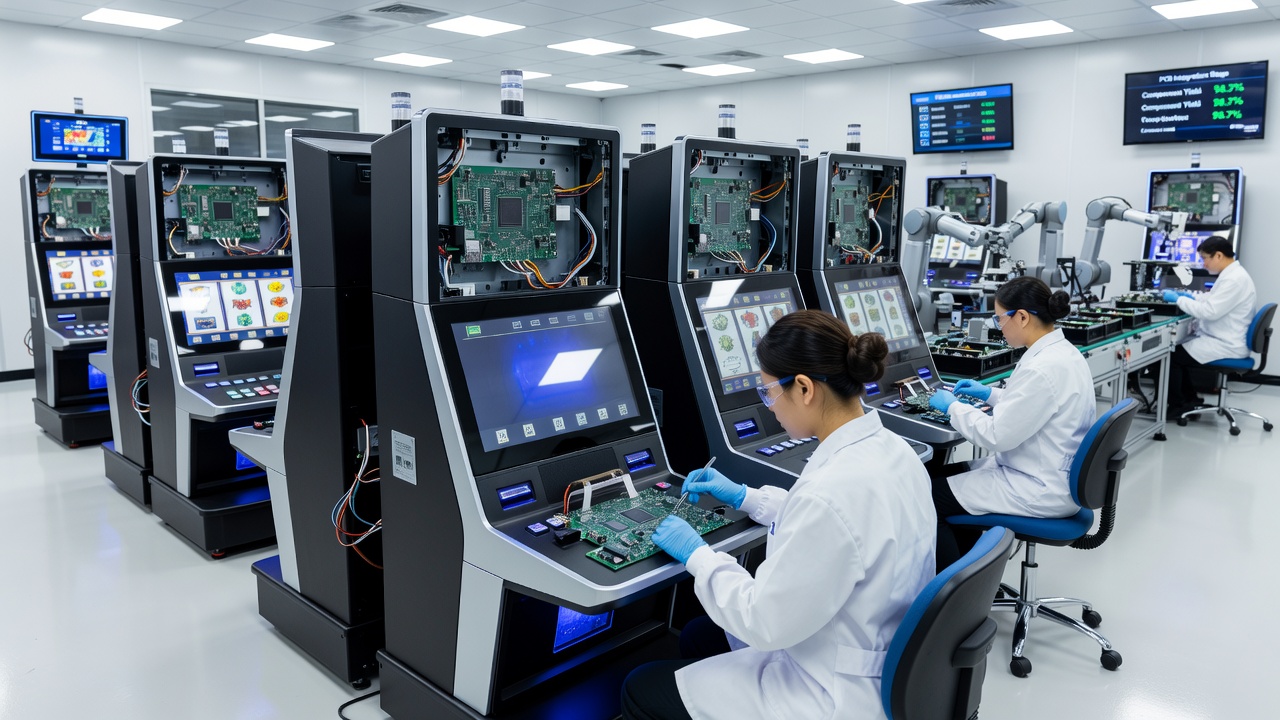
Once all electronic elements sit in place, comprehensive validation begins. Automated test stations run power-on self-tests that check memory integrity, sensor calibration, and communication protocols between boards. Observers note that facilities following standards from the Nevada Gaming Control Board document each test result in digital logs that accompany units through final packaging. Random number generator modules undergo separate certification checks to confirm statistical independence before software locks are applied.
Network interface cards receive attention during the same phase. Technicians install Ethernet or wireless modules that enable connection to central monitoring systems, then verify data transmission rates and encryption handshake procedures. This step proves critical for machines deployed in multi-site operations where real-time reporting feeds regulatory databases.
Regulatory and Supply Chain Considerations
Component sourcing follows traceability requirements set by various jurisdictions. Research from the Gaming Standards Association indicates that serial tracking of critical chips helps prevent unauthorized modifications after machines leave the factory. In regions such as Australia and parts of Europe, additional electromagnetic compatibility testing occurs on fully assembled units to ensure compliance with local emission limits. Supply disruptions in 2025 prompted several manufacturers to qualify secondary suppliers for capacitors and voltage regulators, shortening lead times without altering performance specifications.
Cabinet sealing completes the electronic integration process. Gaskets and fasteners secure access panels while maintaining proper airflow for internal cooling. Final visual inspections confirm that no loose wires or unsecured connectors remain before units move to shipping preparation.
Conclusion
Assembly of electronic components in slot machines follows a structured sequence that prioritizes reliability, traceability, and regulatory adherence. From initial board mounting through final network verification, each stage builds upon the last to produce equipment capable of extended operation in high-volume environments. Data from industry reports continues to guide refinements in both process efficiency and component durability across global production sites.