Global Shipping Safeguards: Specialized Packaging for Sensitive Casino Gaming Gear
David Schmitt · Aug 13, 2026
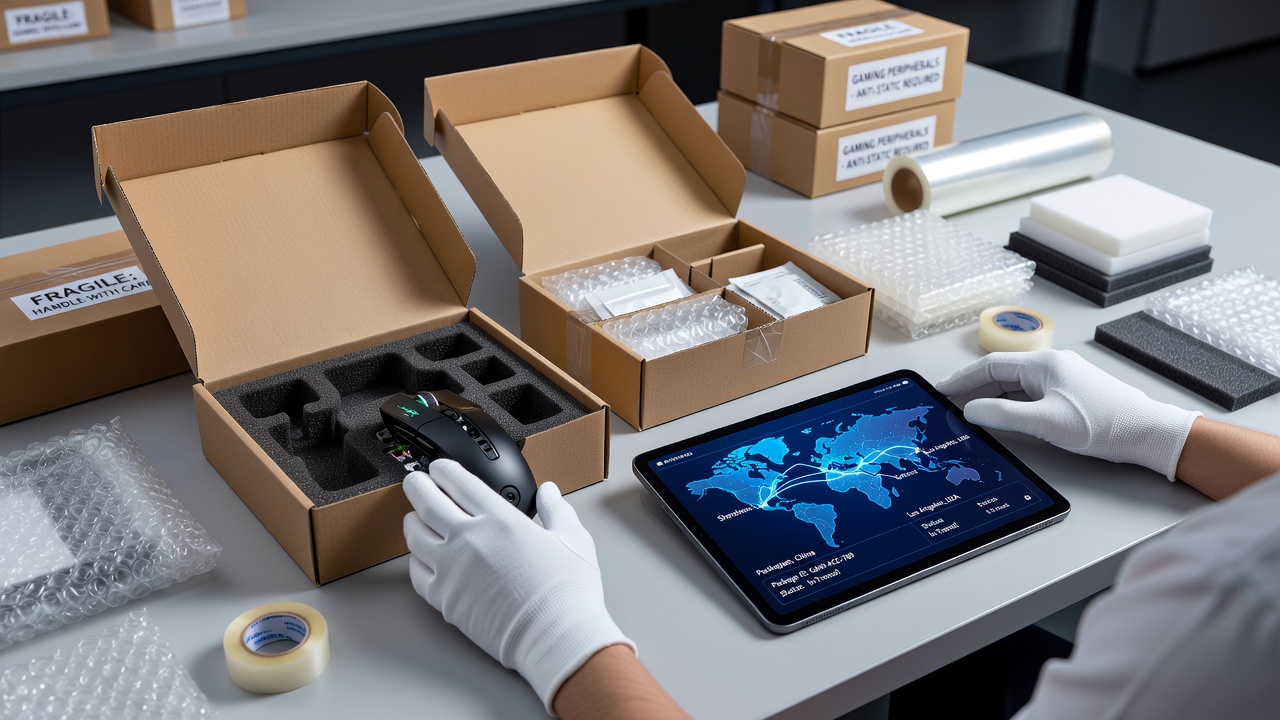
Global Shipping Safeguards: Specialized Packaging for Sensitive Casino Gaming Gear
Manufacturers of casino gaming accessories rely on layered packaging systems to protect items such as precision dice, custom poker chips, and coated table felts during transit across continents, and these methods combine shock absorption materials with climate control features that address the specific vulnerabilities of each product type. Companies ship components from production facilities in Asia to venues in North America and Europe, where temperature fluctuations and handling stresses can compromise delicate edges or finishes if safeguards fall short.
Material Selection and Layered Protection Systems
Production teams select closed-cell foam and anti-static polyethylene films as primary barriers because these substances cushion against impact while preventing electrostatic discharge that might affect electronic components in some modern gaming accessories. Corrugated cardboard with reinforced honeycomb cores forms the outer shell for mid-sized shipments, and this structure distributes weight evenly during stacking in cargo containers. Data from logistics reports indicate that multi-layer configurations reduce damage rates by absorbing vibrations that occur on ocean freight routes lasting several weeks.
Custom Crating for High-Value Items
Facilities create custom wooden crates lined with polyethylene foam for collections of vintage-style dice and serialized poker chips, and each compartment matches the exact dimensions of individual pieces to eliminate movement inside the container. Workers secure these crates with steel strapping and desiccant packets that maintain low humidity levels throughout journeys that cross equatorial zones where moisture levels spike. Observers note that such tailored approaches prove essential when shipments include items bound for regulatory inspections upon arrival in jurisdictions with strict import standards.
August 2026 saw increased scrutiny on packaging compliance for goods entering Canadian ports, where updated guidelines from Transport Canada emphasized recyclable materials in protective systems without sacrificing protective performance. Shippers responded by integrating biodegradable cushioning alternatives derived from cornstarch polymers that meet both durability and environmental criteria.
Climate Control and Vibration Mitigation Techniques
Advanced packaging incorporates phase-change materials that stabilize internal temperatures during exposure to extreme conditions, such as those encountered on routes from Chinese manufacturing hubs to Australian casino operators. These inserts absorb excess heat or cold, keeping sensitive felt surfaces and edge-treated playing cards within acceptable ranges that prevent warping or adhesive failure. Studies conducted by research institutions in the European Union have documented how vibration-dampening gels placed between layers further isolate fragile accessories from the constant motion of rail and truck segments that follow sea voyages.
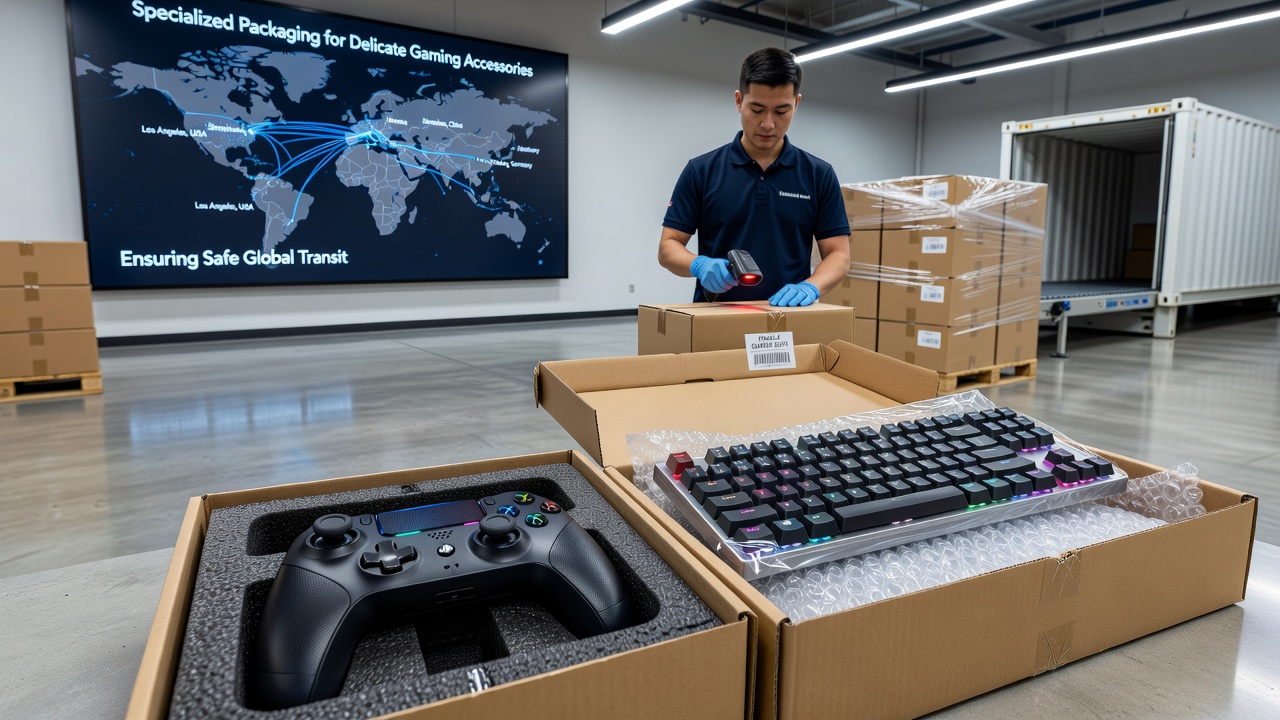
Industry associations track these interventions through standardized testing protocols that simulate weeks of rough handling, and results show consistent preservation of product integrity when protocols include both static and dynamic stress evaluations. Companies often add tamper-evident seals around each inner package to maintain chain-of-custody records required by destination venues.
Regulatory Alignment Across Regions
Compliance with international shipping regulations requires documentation of packaging specifications that align with standards set by bodies such as the Australian Competition and Consumer Commission for goods entering that market. Shippers must verify that materials meet flammability and chemical safety thresholds, while similar requirements from the U.S. Department of Transportation govern hazardous material classifications for certain coating solvents used on table felts. These overlapping frameworks drive continuous refinement of packaging designs to satisfy multiple regulatory environments simultaneously.
What's interesting is how suppliers coordinate with freight forwarders to select container types based on seasonal patterns, since routes passing through the Indian Ocean during monsoon periods demand enhanced moisture barriers compared to those traveling Pacific corridors. Coordination ensures accessories arrive ready for immediate use in casino floors without additional on-site preparation.
Case Examples from Major Trade Corridors
One documented shipment of professional blackjack table components from a supplier in Vietnam to a venue in Singapore utilized vacuum-sealed bags combined with rigid foam supports, and tracking data revealed zero incidents of surface abrasion upon arrival. Another transfer involving dice sets from Germany to South African gaming establishments incorporated RFID tags embedded in outer packaging layers that allowed real-time monitoring of location and condition throughout the journey. Such integrations reflect broader adoption of traceability tools that support both security and quality assurance goals.
Research indicates that adoption rates for these monitoring technologies have risen steadily among mid-sized manufacturers, driven by demands from casino groups seeking verifiable proof of handling conditions. External analyses from academic sources, including reports issued by the National University of Singapore logistics department, confirm measurable reductions in claim rates when these combined methods are applied consistently.
Conclusion
Specialized packaging for delicate gaming accessories continues to evolve through material innovations and regulatory adaptations that address the demands of global distribution networks. Shippers maintain product quality by matching protection strategies to specific item characteristics and route conditions, while documentation and monitoring systems provide accountability across borders. These practices support reliable delivery of components essential to casino operations worldwide.