Examining Color Psychology Applications in the Selection of Gaming Chips for Various Casino Themes
Vera Reed · Jun 1, 2026
Examining Color Psychology Applications in the Selection of Gaming Chips for Various Casino Themes
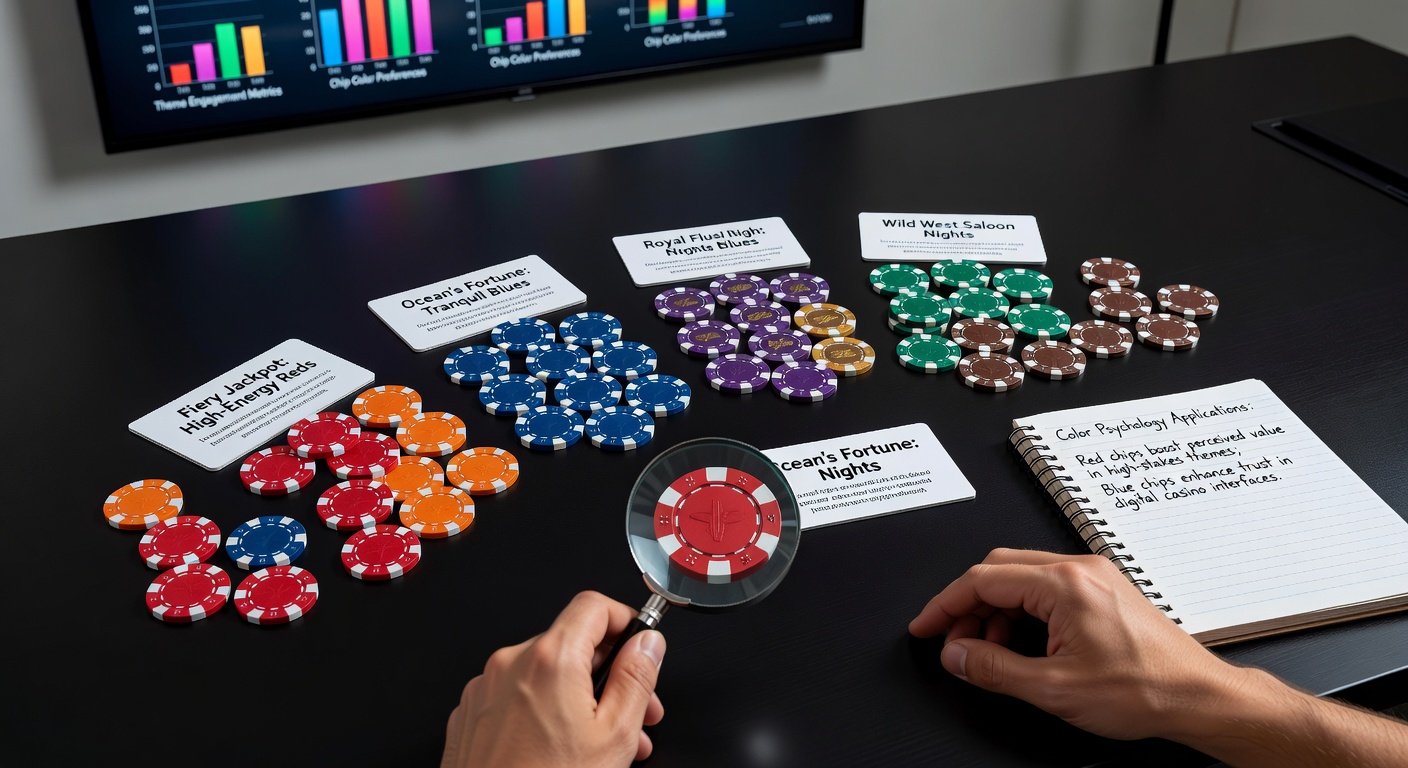
Casinos select gaming chip colors through deliberate applications of color psychology principles that influence player behavior and emotional responses during gameplay, and manufacturers produce these tokens in standardized hues that align with specific venue themes while meeting regulatory visibility requirements. Research from academic institutions such as the University of British Columbia demonstrates how certain colors trigger associations with excitement, trust, or caution, and casino operators apply these findings when designing chip sets for environments ranging from high-energy Vegas floors to relaxed resort settings.
Core Principles of Color Psychology in Gaming Environments
Color psychology examines how visual stimuli affect decision-making processes, and studies published in peer-reviewed journals indicate that red hues increase arousal levels while blue tones promote calmness and extended play sessions. Gaming establishments incorporate these effects by assigning chip denominations to colors that either stimulate betting activity or provide visual contrast for dealers and surveillance systems. Data from industry reports compiled by the American Gaming Association reveal that facilities with coordinated color schemes report higher player retention rates during peak hours, particularly when chips match architectural elements and lighting designs.
Manufacturers follow strict guidelines that balance psychological impact with practical needs such as anti-counterfeiting measures and stack visibility, and these standards vary by jurisdiction. Observers note that facilities in Nevada coordinate with suppliers to ensure chips maintain distinct color profiles that prevent confusion at tables, whereas properties in Macau often emphasize gold and red combinations that resonate with local cultural preferences for prosperity symbols.
Theme Integration and Chip Color Strategies
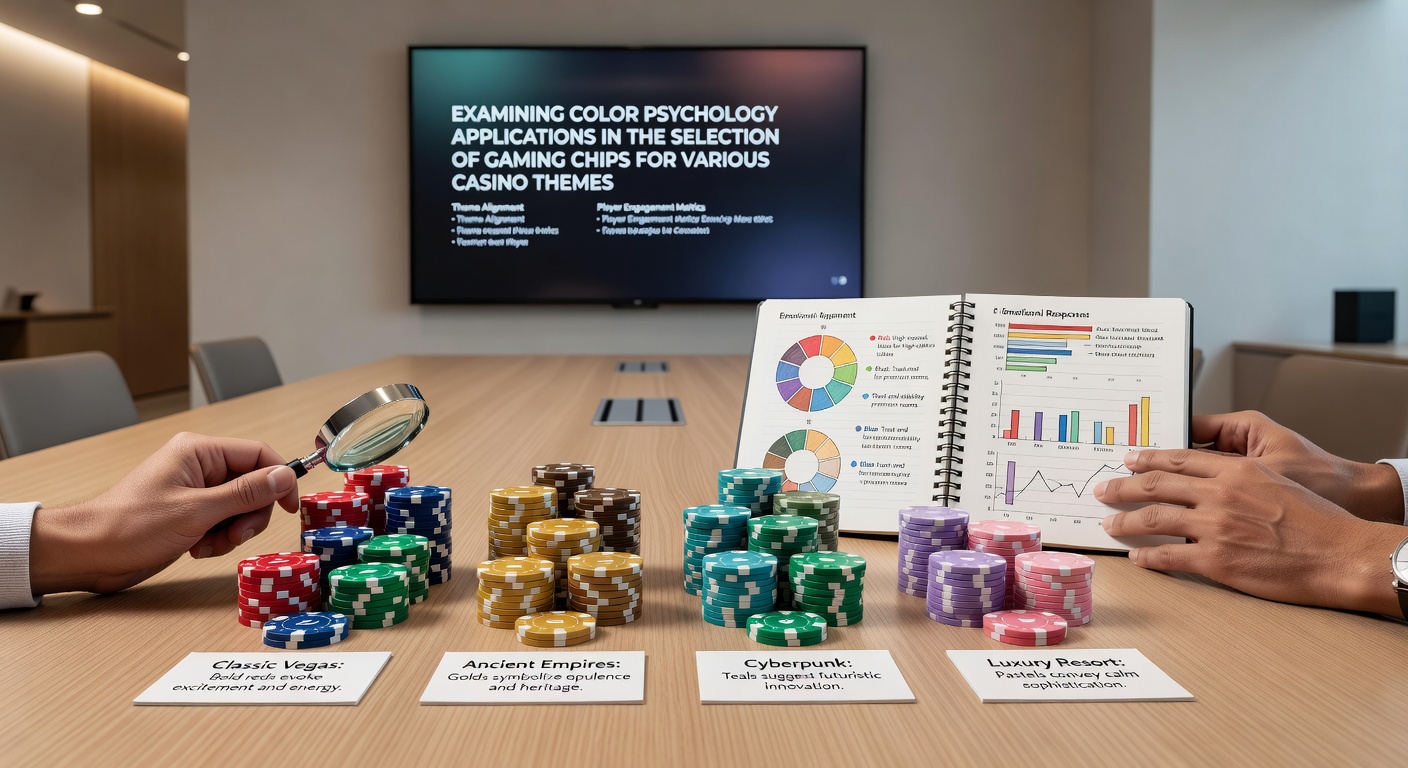
Theme-based casinos require chip palettes that reinforce narrative elements, and operators work with designers to select colors that evoke specific atmospheres without violating denomination hierarchies. Tropical resorts frequently use greens, teals, and coral shades that mirror surrounding environments, and these choices align with research showing that nature-inspired palettes reduce stress and encourage longer visits. Desert-themed properties lean toward earth tones including terracotta and sandstone hues, which create cohesion between chips and interior decor elements such as murals or lighting fixtures.
European-inspired venues often feature deep burgundies paired with creams and navy accents that reference historical gaming houses, and suppliers adjust pigment formulations to maintain consistency across batches. One study conducted by researchers at the University of Melbourne examined how color saturation levels impact perceived value, finding that deeper saturations on higher denomination chips encourage players to treat them with greater care during exchanges.
Regional Variations and Emerging Trends
Facilities planning expansions in June 2026 are evaluating color selections that incorporate digital integration elements, such as chips compatible with optical scanners while preserving traditional psychological cues. Australian regulatory bodies including the Northern Territory Racing Commission require color contrasts that support responsible gaming initiatives, prompting operators to avoid overly stimulating combinations in designated low-limit areas. Asian markets continue to favor red-dominant schemes that connect with symbolic meanings of luck, and these preferences appear in both land-based and integrated resort developments.
Suppliers have introduced modular color systems that allow casinos to swap accent shades seasonally without replacing entire inventories, and this flexibility supports theme refreshes that maintain visual interest. Evidence from operational data collected across multiple properties shows that consistent color application across chips, cards, and signage strengthens brand recognition and reduces errors during high-volume play periods.
Practical Considerations for Implementation
Design teams conduct testing sessions where participants evaluate chip sets under simulated lighting conditions that replicate casino floors, and feedback informs final color adjustments before production runs begin. Security features such as edge spots and UV-reactive elements are layered onto these psychologically informed base colors without diminishing their intended emotional effects. Training programs for dealers emphasize quick recognition of color-denominated values, and this practice reduces transaction times while supporting the overall player experience.
Facilities that update themes periodically review existing chip inventories against new color psychology guidelines, and many opt for hybrid approaches that retain familiar core colors while introducing accents that refresh the visual field. Reports from the Canadian Gaming Association highlight how coordinated color strategies across multiple venues within a chain create unified experiences that transfer player familiarity from one property to another.
Conclusion
Color psychology applications in gaming chip selection represent a convergence of behavioral research, cultural adaptation, and operational requirements that shape player interactions across diverse casino environments. Properties continue to refine these choices through data collection and supplier collaboration, ensuring that chip colors support both thematic immersion and functional clarity. As new developments approach opening dates in June 2026 and beyond, operators will likely expand these principles to include adaptive lighting technologies that further enhance color-based effects on gaming floors.