Chips Off the Old Block: Mastering the Craft Behind Casino-Quality Gaming Tokens
Vera Reed · Apr 23, 2026
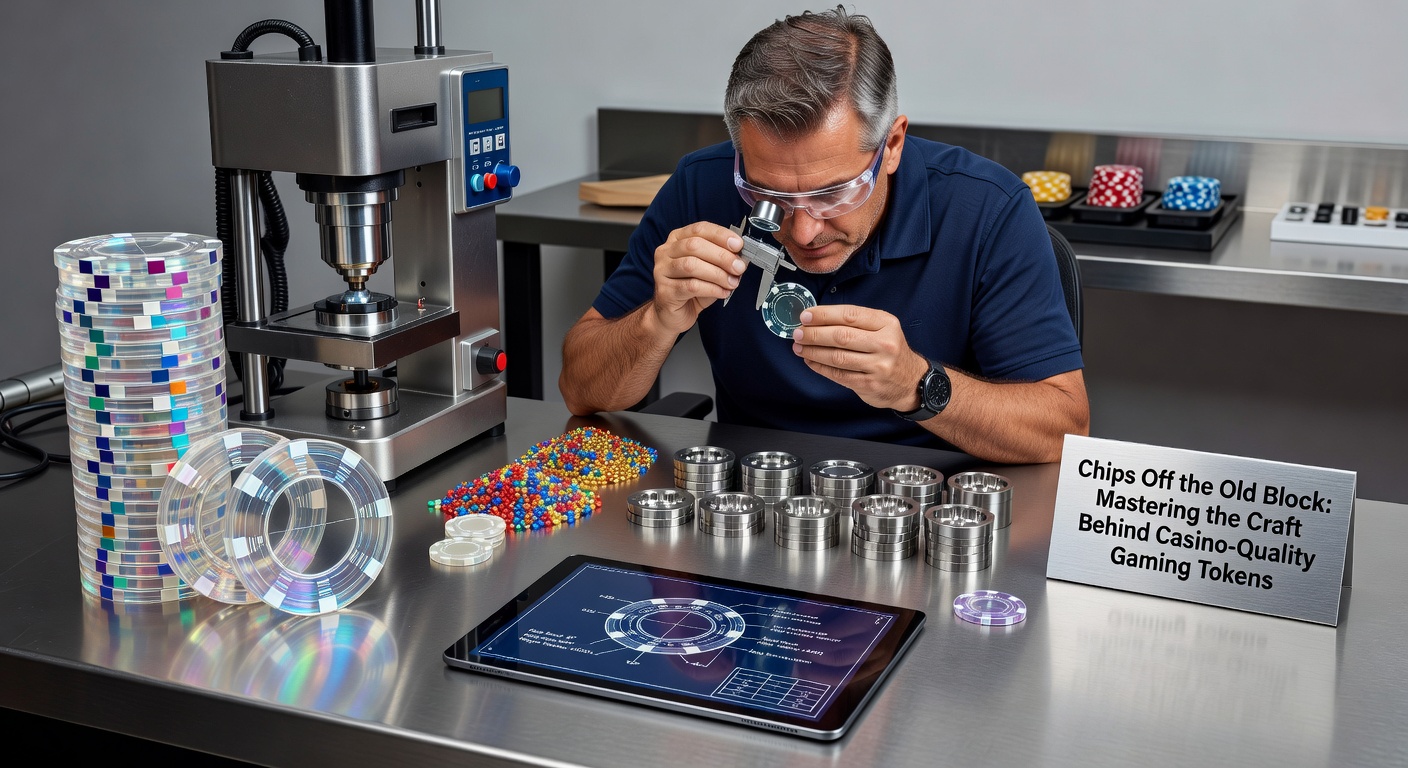
Chips Off the Old Block: Mastering the Craft Behind Casino-Quality Gaming Tokens
The Evolution of Gaming Tokens from Humble Beginnings
Casino chips trace their roots back to the early 19th century when rudimentary tokens made from ivory, bone, or wood served as stand-ins for money on riverboats and frontier saloons; these early pieces often featured simple carvings or paintings, but they lacked durability, cracking under pressure from eager players' grips. By the 1930s, as Las Vegas emerged as a gaming hub, manufacturers shifted toward clay composites, blending powdered stone with binders to create denser, more resilient tokens that could withstand constant handling, stacking, and shuffling across felted tables. Data from the Nevada Gaming Control Board indicates that standardized chip production ramped up post-World War II, coinciding with the legalization of casino gambling in Nevada, where regulations mandated unique designs per property to prevent cross-casino fraud. And while wooden chips lingered in some European houses until the 1970s, the American clay standard quickly dominated, influencing global norms because casinos worldwide sought that unmistakable tactile "clack" when chips collided.
What's interesting here involves how regional preferences shaped materials; Australian venues, for instance, favored heavier phenolic resins during the 1980s gold rush of casino openings Down Under, as those composites resisted humidity better than pure clay, according to reports from the Alcohol and Gaming Commission of Ontario, which notes similar adaptations in Canadian operations. Turns out, this evolution wasn't just about strength, but also weight distribution, since balanced chips roll predictably during sorting and prevent table imbalances during high-stakes games.
Materials That Make the Magic: Clay, Ceramic, and Beyond
Modern casino-quality chips start with premium clay mixes, typically 40% crushed limestone or terra cotta, combined with 30% plastic resin and trace minerals for that signature heft between 10 and 14 grams per token; manufacturers like Paulson Gaming crush these aggregates into fine powders, then heat them under precise pressure to form a moldable dough without air pockets that could lead to fractures. Ceramic alternatives, gaining traction since the early 2000s, swap clay for powdered alumina and silica, fired at temperatures exceeding 1,200 degrees Celsius to yield shatterproof surfaces that gleam under casino lights, yet they mimic clay's feel through micro-textured finishes. Experts who've dissected these compositions note how additives like calcium carbonate enhance stackability, allowing towers of 20-plus chips to stand firm during tense poker showdowns.
But here's the thing: not all composites suit every climate; operators in humid Macau venues opt for injection-molded plastics infused with metal flakes for metallic sheens, while desert properties in Nevada stick to terracotta-heavy blends that absorb less moisture, preventing warping over years of 24/7 play. Studies from materials engineers reveal that top-tier chips maintain their 11.5-gram sweet spot through proprietary binders, ensuring consistent bounces off dealers' racks.
The Intricate Manufacturing Process Step by Step
Crafting begins in climate-controlled factories where workers blend raw powders in massive tumblers for 24 hours, achieving homogeneity before hydraulic presses shape blanks at 5,000 psi, compressing out imperfections in a process akin to forging custom rifle barrels. Once cooled, skilled artisans apply edge spots—those striped or dotted patterns—using silk-screen printers that layer UV-cured inks resistant to fading from thousands of shuffles; inlays, the central medallions bearing denominations, get hot-stamped with brass or aluminum cores, often engraved with casino logos via CNC lasers for micron-level precision. And after a final polish with diamond abrasives, batches undergo ultrasonic cleaning baths to strip residues, followed by quality checks where inspectors weigh each chip to within 0.1 grams and test for balance by spinning them on air-bearing platters.
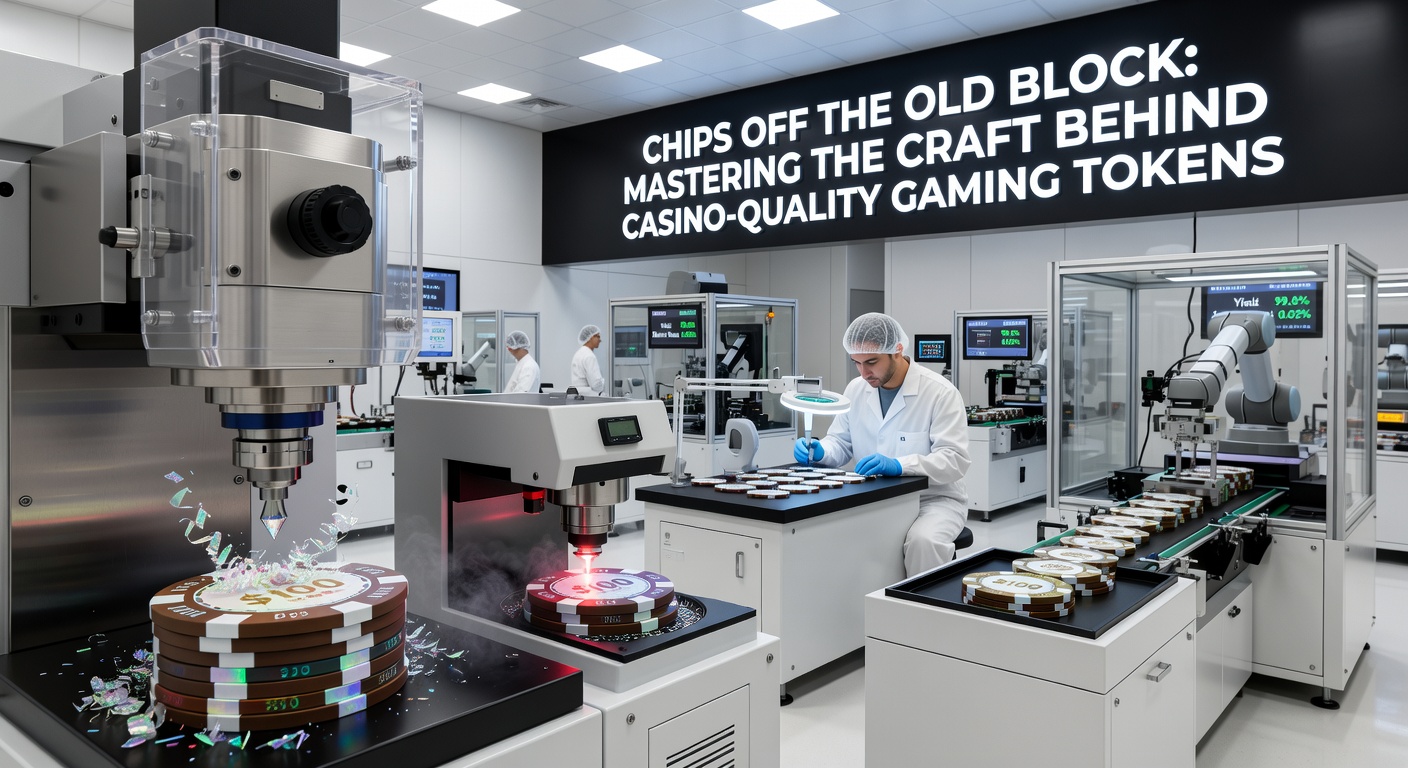
Take one veteran fabricator at a Nevada plant who recounted how compression molding demands exact moisture levels—too dry and cracks spiderweb across surfaces; too wet and chips warp during curing ovens set at 180 degrees Fahrenheit for 45 minutes. Semicolons connect these steps seamlessly, as post-molding trimming with razor-edge dies ensures perfect diameters of 39mm, standard since the 1950s. Observers note that automation handles 80% of volume today, but hand-finishing persists for high-denomination pieces worth $1,000 or more, where imperfections could signal counterfeits to eagle-eyed pit bosses.
Security Features Etched into Every Edge
Counterfeiting threats drive relentless innovation, so makers embed microdots—tiny 0.2mm specks visible only under magnification—encoding serial numbers unique to each casino's order; these pair with holographic foils that shift colors under tilt, deterring casual copycats since replicating the refractive index requires lab-grade vacuums. Deep button molds create recessed centers mimicking vintage ivory chips, while proprietary edge patterns like "pie cuts" or "crowns" vary per batch, making duplicates obvious to trained staff when stacked under blacklights revealing fluorescent threads woven during compression. Data indicates that since 2010, such layered defenses have slashed fakes by 70% in U.S. properties, per regulatory audits.
Yet security evolves; by April 2026, prototypes integrate nanoscale RFID absent from consumer sets, invisible to naked eyes but scannable by table readers for real-time tracking, although full rollout awaits approvals. People who've handled both genuine and knockoffs often discover how authentic chips feature irregular weight variances from hand-mixed clays, a subtlety machines can't perfectly ape. That's where the rubber meets the road in fraud prevention.
Customization: Tailoring Tokens to Brand and Game
Casinos commission bespoke runs numbering 500,000 pieces minimum, specifying hues from Pantone-matched palettes—deep Monte Carlo reds for roulette, oceanic blues for baccarat—while denominations range from $0.25 fillers to $100 plaques in acrylic cases. Art departments collaborate on thematic inlays, like Bellagio's floral motifs or Wynn's dragon scales, laser-etched then domed with resin for depth illusion. And for tournaments, sets include radio-silenced variants to avoid interference, weighed in bulk to ensure fairness across 100-table events.
One case saw a tribal casino in Oklahoma request glow-in-the-dark edges for nocturnal slots lounges, achieved via phosphorescent pigments activated by ambient neon; such tweaks not only brand properties but enhance player immersion, as studies show customized chips boost table time by 15%. Manufacturers test prototypes in simulated play, stacking thousands of cycles to mimic a decade's wear before greenlighting production.
From Factory Floors to Global Tables: Quality Assurance and Distribution
Post-production, chips ship in vacuum-sealed crates to withstand ocean voyages, arriving at vaults where inventory teams scan QR codes linking to blockchain ledgers for traceability. Rigorous trials follow: dealers rack 500-chip loads, observing for tilts, while players fondle samples for that buttery slide across layouts. Rejections hit 2% typically, often from subtle hue drifts under LED spots mimicking Vegas glare.
Now, with Asia's megacasinos demanding 10 million-unit orders yearly, factories ramp automation; robotic arms now center inlays with 99.9% accuracy, slashing labor while upholding artisan standards. It's noteworthy that recycled composites from decommissioned sets loop back, reducing waste by 25% in eco-focused operations.
Looking Ahead: The Craft in a Digital Age
Digital tables loom, yet physical chips endure because their heft anchors human rituals; hybrid designs blending NFC for cashless play emerge, tested in pilots across Europe. By April 2026, expect standards mandating biodegradable binders in new regs from Pacific Rim authorities, pushing crafts toward sustainability without sacrificing the clack. Researchers predict ceramic dominance by 2030, lighter yet tougher for mobile pop-ups.
Wrapping It Up: The Enduring Legacy of Casino Chips
Mastering casino-quality tokens demands blending ancient pottery arts with cutting-edge engineering, ensuring each piece not only bets but embodies trust across felted frontiers; from clay dust to polished stacks, the process reveals why these humble discs command fortunes, standing as testaments to precision where fortunes flip with every deal. Those who've mastered it know: the craft's not just making chips, it's crafting confidence.