Acoustic Verification Techniques: Sound Pattern Analysis for Dice Integrity in Modern Casinos
Sage Butler · Aug 24, 2026
Acoustic Verification Techniques: Sound Pattern Analysis for Dice Integrity in Modern Casinos
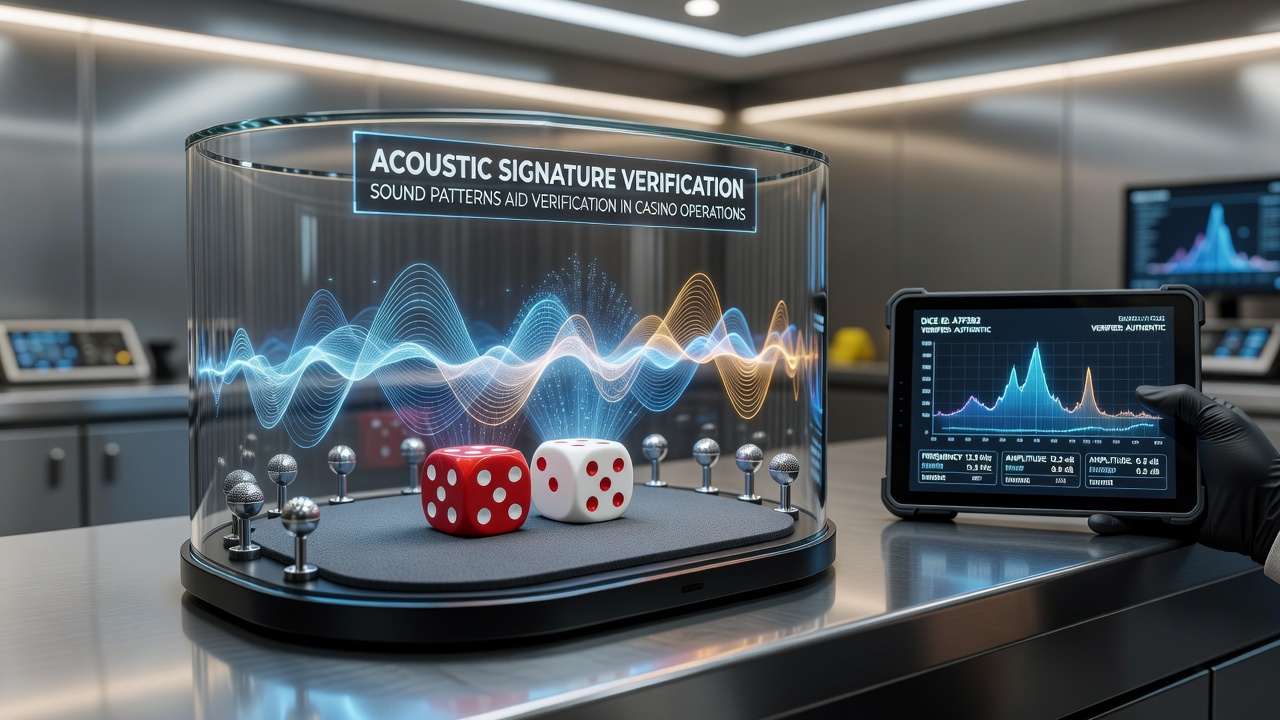
Casino operators rely on multiple verification methods to maintain game integrity, and acoustic signature analysis has emerged as one technical approach for examining dice, since each die produces distinct sound patterns based on its material composition, edge precision, and internal structure. Research indicates that when dice strike surfaces or each other during rolls, the resulting vibrations create measurable acoustic profiles that technicians compare against established baselines for standard six-sided dice.
Material Properties and Sound Generation
Dice used in professional settings typically consist of cellulose acetate or similar polymers, and these materials generate specific frequency responses when impacted. Observers note that variations in density or the presence of foreign materials inside a die alter the resonance, which acoustic sensors capture through microphones positioned near the gaming surface. Data from manufacturing studies shows that even minor imperfections in pips or edges shift the harmonic output enough for detection systems to flag potential issues during routine checks.
Technicians often perform tap tests where they strike dice against calibrated plates, and the emitted sounds feed into software that analyzes waveform patterns. This process identifies loaded dice or those with drilled cavities filled with substances that change weight distribution, since such modifications produce inconsistent echoes compared to uniform stock. Equipment setups in several large venues incorporate arrays of sensors that record multiple impacts in sequence, building a composite signature for each die under examination.
Integration with Casino Operations
Surveillance teams in gaming floors incorporate acoustic monitoring alongside visual and RFID checks, allowing real-time assessment during live play. Systems deployed since 2024 record baseline sounds from approved dice batches supplied by certified manufacturers, and any deviation during a session triggers alerts to floor supervisors. Figures from regulatory reports reveal that acoustic methods complement existing protocols without replacing them, since sound analysis works effectively in environments where visual inspection alone might miss internal defects.
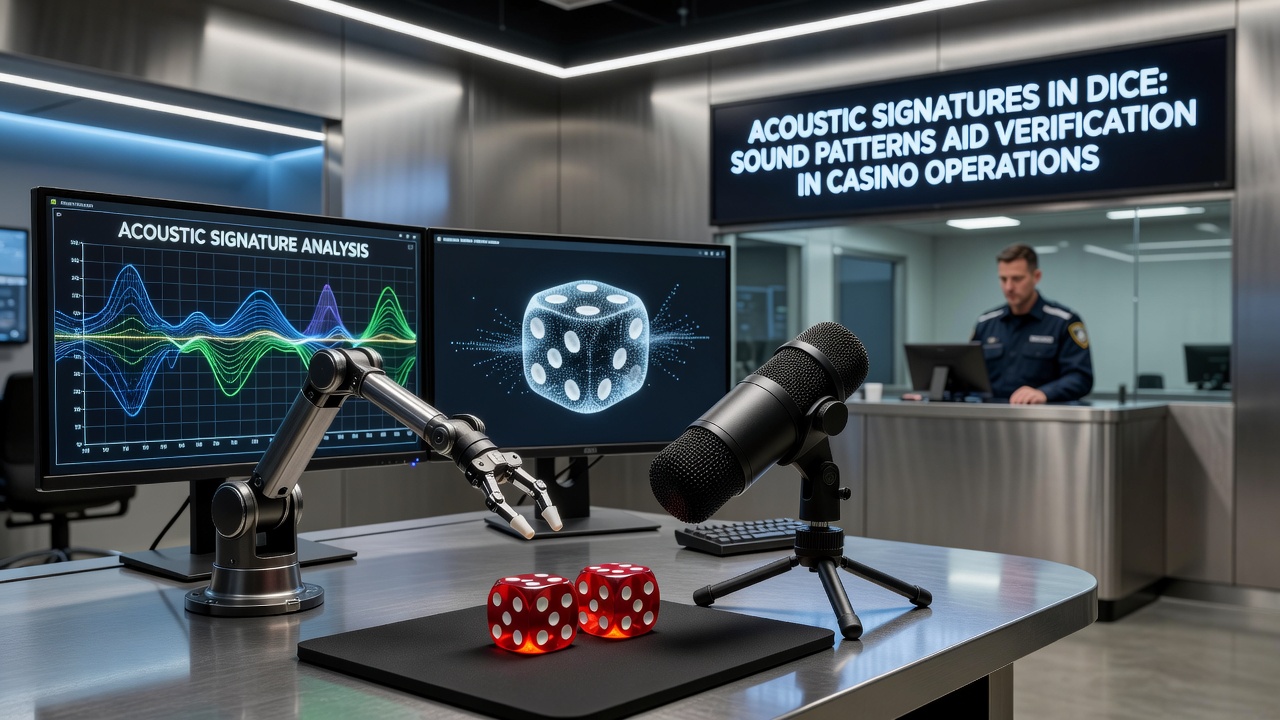
Training programs for casino staff now include modules on interpreting acoustic data outputs, and vendors provide calibration tools that account for ambient noise from crowds and slot machines. In August 2026 several properties reported expanded use of portable acoustic kits for spot checks on dice sets before high-stakes games, which reduces downtime associated with full laboratory testing. Those who've studied casino logistics observe that this approach fits into broader quality assurance frameworks already in place for cards and chips.
Technical Standards and Regulatory Context
Standards developed by organizations such as the Nevada Gaming Control Board outline acceptable tolerances for acoustic variations in dice, and similar guidelines appear in documents from other jurisdictions including state gaming commissions in New Jersey and Pennsylvania. Manufacturers submit sample dice for acoustic profiling during approval processes, which creates reference libraries that casinos access through secure databases. Research from acoustics laboratories indicates that frequency ranges between 200 and 2000 hertz capture the most diagnostic information for standard dice materials.
Software algorithms compare live recordings against these references using pattern-matching techniques similar to those employed in industrial quality control. When discrepancies exceed set thresholds, the system recommends removal and replacement of the affected dice. Case examples from operational audits show that this method detected anomalies in less than two percent of tested batches over a recent twelve-month period, according to aggregated industry data.
Future Developments in Acoustic Monitoring
Advances in sensor miniaturization allow integration of acoustic capabilities directly into table rails and chip trays, which streamlines verification without additional staff intervention. Collaborative projects between gaming suppliers and university engineering departments continue to refine signal processing methods that filter out background interference more effectively. Reports from equipment providers note increasing adoption rates among mid-sized casinos seeking cost-effective security enhancements that do not require extensive infrastructure changes.
International standards bodies have begun discussions on harmonizing acoustic testing protocols across regions, which would facilitate consistent verification for dice used in multi-jurisdictional operations. Data collected from these systems contributes to ongoing refinements in dice production techniques, since manufacturers adjust molding processes based on feedback from acoustic performance metrics.
Conclusion
Acoustic signature analysis provides casinos with an additional layer of verification for dice integrity by capturing unique sound patterns tied to material and structural characteristics. Combined with established inspection routines, this technology supports efforts to maintain fair play across gaming tables while adapting to operational demands in dynamic casino environments. Ongoing refinements in sensor technology and data analysis promise continued evolution of these methods within the broader framework of gaming security practices.